Online Bill Pay
Web Registration
Schedule Consultation

800-383-3831

Posted by: Missouri Eye Institute in Blog on November 9, 2026
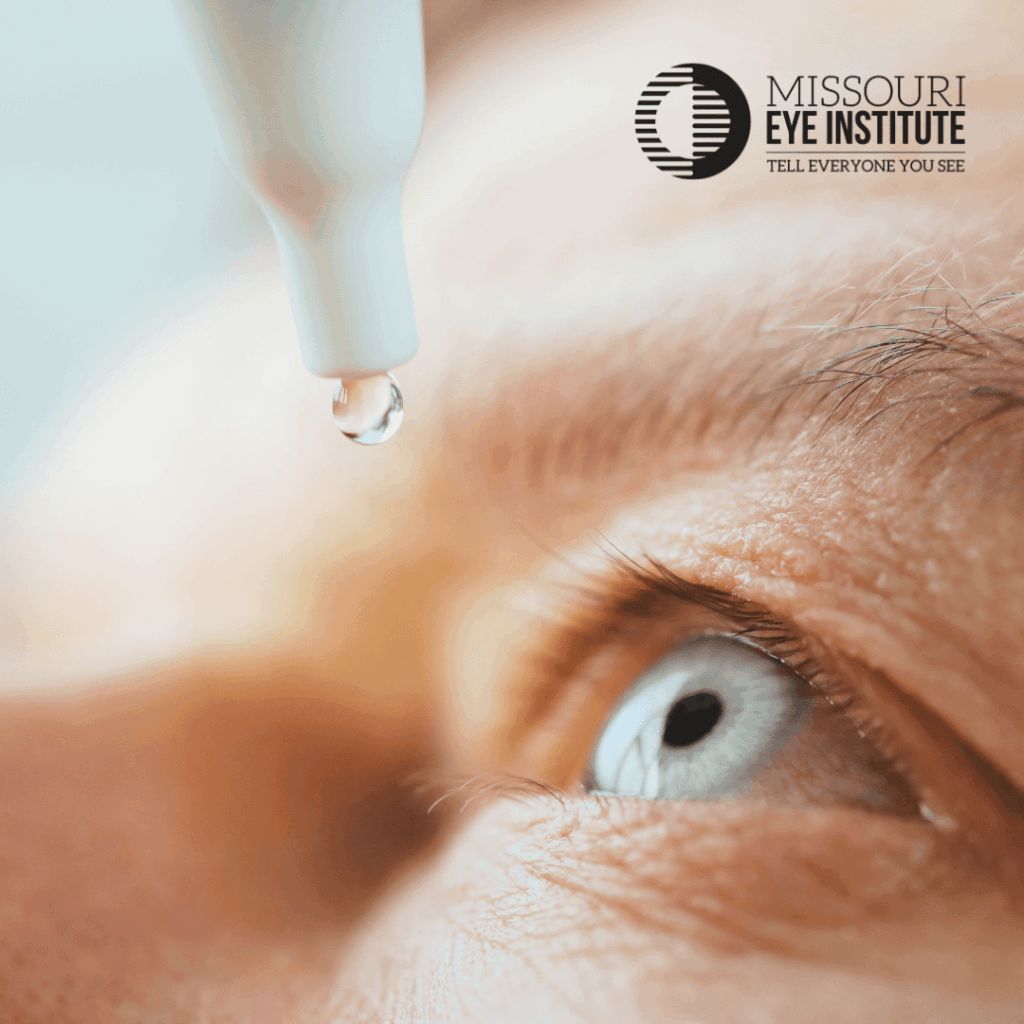
Presbyopia – the age-related loss of near vision – affects nearly everyone over 40. In 2025, a new wave of FDA-approved presbyopia eye drops entered the market, offering hours of clearer near vision and less dependence on reading glasses. It is no surprise they’ve become a timely topic heading into the winter season, when many people feel extra pressure to do anything that might make their daily lives easier.
But are these drops the right long-term solution? Missouri Eye Institute believes in giving patients an honest, balanced look at what presbyopia drops can and cannot do so they can make informed decisions about their eyes.
Presbyopia drops use a pharmaceutical approach to improve near vision temporarily. Most formulas rely on pupil-modifying medications that create a “pinhole effect,” increasing depth of focus for several hours so close-up tasks appear sharper.
Key facts about presbyopia drops:
These drops are new enough that long-term data is still developing. Many patients use them for convenience while at the computer or electronic devices, rather than for lasting vision correction.
Drops can be helpful for:
For some patients, drops offer a way to sharpen near vision for a short time without committing to glasses or surgery.
Because these medications work by constricting the pupil, some patients experience side effects, including:
Drops can cost approximately $780–$1,140 per year for consistent daily use, or $7,800–$11,400 over 10 years if prices don’t increase and usage remains similar. They require consistent use to maintain their fullest effects, and presbyopia continues to progress regardless of medication. Many users report they still rely on less powerful glasses, even after using presbyopia drops.
While drops can be convenient, many patients eventually prefer a long-term solution that does not rely on daily medication or effects that wear off in a matter of hours. Depending on the procedure and treatment plan, permanent vision correction now may cost less than 10 years of daily presbyopia drops. That comparison can make surgery worth considering over recurring costs year after year.
Permanent options available at Missouri Eye Institute include:
These solutions offer:
For many Missourians, especially those over 50, permanent correction may align better with lifestyle, comfort and long-term visual goals. Modern vision correction procedures have established records for safety and effectiveness. For appropriate candidates, they can provide durable vision improvement without a daily dosing routine and support dependable clarity across a wider range of lighting conditions.
Presbyopia drops are an exciting new option, but they offer only fleeting improvement, are not a cure and not ideal for everyone. Consider the value of clear, dependable vision every day – not just for a few hours at a time.
Missouri Eye Institute can help you compare all your options, review financing options and choose the solution that supports your long‑term comfort, clarity and confidence.
Frequently Asked Questions (FAQs)
How long do presbyopia drops last?
Duration varies by brand and by how your eyes respond, so some patients notice shorter or longer windows of improvement. While some users report up to 10 hours of increased clarity, others may notice the effects wearing off within only 4 hours.
Are presbyopia drops safe for long‑term use?
Safety depends on your eye health, medical history and how your eyes tolerate pupil‑modifying medications over time. If you’re considering drops, let Missouri Eye Institute screen for underlying conditions that may make long‑term use less than ideal.
Do presbyopia drops work for everyone?
Some patients may not achieve meaningful near‑vision improvement, even with consistent use. Missouri Eye Institute performs diagnostic testing to determine what vision correction options, including RLE, might work for you.
Can drops replace reading glasses permanently?
Drops cannot cure or stop presbyopia from progressing, so most patients still need readers as the medication wears off. Missouri Eye Institute can help you explore surgical options that reduce or eliminate dependence on glasses for most daily activities.
Are there surgical alternatives to presbyopia drops?
Of course, and each option has different advantages depending on age, prescription and long‑term goals. Missouri Eye Institute explains how lens‑based solutions compare so you can choose the most stable path forward.
Do presbyopia drops affect night vision?
Low‑light performance varies widely between patients. However, dim vision is a common side effect of presbyopia drops, so users are strongly advised to avoid driving in low-light conditions if they experience this side effect. This dimming effect could be potentially dangerous for people who already struggle with night vision.
When should I consider a permanent solution?
If you’re noticing inconsistent results, increasing frustration or changing vision needs, it may be time to explore long‑term correction with less maintenance required. Missouri Eye Institute can help you weigh convenience, cost and financing, clarity and effectiveness to decide what fits your future best.
Missouri Eye Institute has helped thousands of patients experience greater freedom from glasses and contact lenses, with convenient locations in Springfield, Joplin, and Branson. Call (800) 383-3831 to schedule a comprehensive consultation or visit MissouriEye.com to learn more.
Springfield
1531 E Bradford Parkway Ste 100
Springfield, MO 65804
Branson
1000 James F. Epps Rd Ste 2
Branson, MO 65616
Joplin
4500 E 32nd St
Joplin, MO 64804
